
Awards & Media Appearances










What Are Dram Shop Laws in Texas? 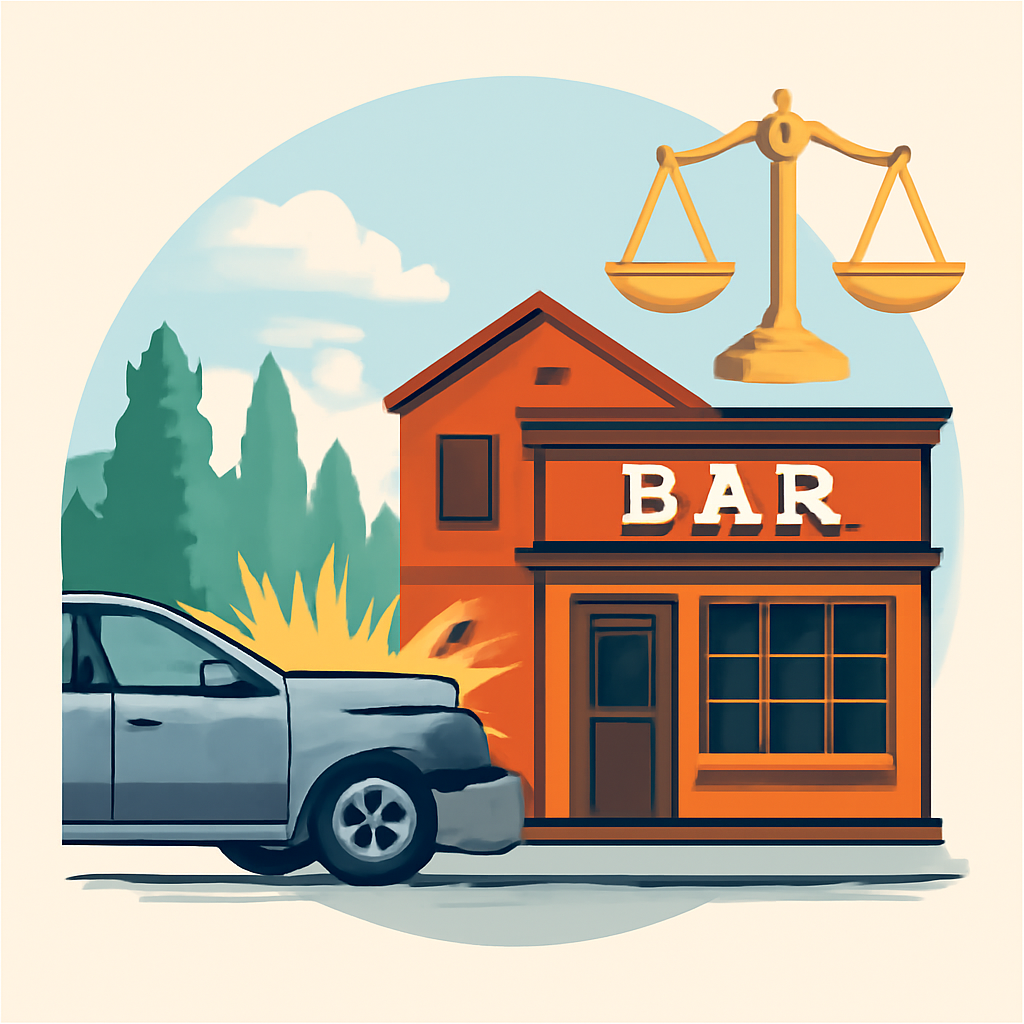
Texas law imposes significant responsibility on alcohol-serving establishments, specifically bars, restaurants, and even social clubs, under the Texas Dram Shop Act. The law holds these businesses accountable if they serve alcohol to an intoxicated person or a minor, and that individual subsequently causes harm.
This includes both personal injury and property damage, and the bar can be sued by the victims or their families. The law exists to discourage establishments from serving alcohol to patrons who are already impaired, which can help reduce the number of alcohol-related accidents and injuries.
What Qualifies as a Dram Shop Claim?
A dram shop claim arises when a patron who has been over-served alcohol at a bar causes an accident. This could be a car crash, a fight, or even a workplace accident caused by an intoxicated employee who was served alcohol at a bar. In the context of a crash on The Strand, if a driver involved in the accident was visibly intoxicated after leaving a local bar, that bar could potentially be held liable. However, establishing this liability requires proving that the bar continued serving alcohol to the individual despite their intoxication. Key factors include whether the bar employees knew or should have known that the person was drunk and if their actions contributed to the accident.The Zendeh Del & Associates, PLLC Team








When Can a Bar Be Held Liable for a Crash?
Under Texas law, for a bar to be held liable in a dram shop claim, there must be evidence that the establishment served alcohol to someone who was visibly intoxicated. Texas courts consider the following when determining whether a bar is liable:- Evidence of Intoxication: The intoxication of the individual must be clear and noticeable. Signs of intoxication may include slurred speech, unsteady gait, or aggressive behavior. Eyewitness testimony and video surveillance footage can be crucial in proving that the bar continued serving alcohol despite these signs.
- Proving the Causal Link to the Accident: The plaintiff (victim) must demonstrate that the intoxication directly led to the crash or incident. In some cases, expert testimony from accident reconstructionists or medical professionals may be needed to show the link between intoxication and the crash.
- Serving Alcohol to Minors: Dram shop liability also applies if a bar serves alcohol to a minor, regardless of whether the minor is visibly intoxicated. In cases involving minors, it’s not just about over-serving, but about serving someone who is not legally allowed to drink in the first place.
Challenges in Proving Dram Shop Liability
While dram shop claims can be an effective way to hold bars accountable for their role in an alcohol-related crash, they can be difficult to prove. One of the biggest challenges in these cases is showing that the bar knowingly served alcohol to an intoxicated individual. Unlike criminal cases, where the evidence must prove guilt beyond a reasonable doubt, dram shop cases are civil claims, and the evidence only needs to meet a “preponderance of the evidence” standard.Client
Reviews
See what our past clients have to say about us.

These guys are amazing. They made a most horrific experience bearable. They treated me with respect and no judgment. I cannot describe how grateful I am for their representation with my case. 5 stars is not enough. I hope I never need them again but would ABSOLUTELY use them again and definitely recommend them.
— Jennifer S.
Jonathan Zendeh Del and Associates worked tirelessly on my case. They kept me informed every step of the way. In the end the got my case dismissed and I am so grateful that we out our trust in his law firm. I can honestly say the rumors were true. He really is the best.
— Kristin F.
- Witness Testimony: Eyewitnesses, including fellow patrons or employees, who can attest to the state of the individual before they left the bar.
- Surveillance Footage: Bars often have security cameras that capture interactions with patrons. Footage showing a person drinking heavily or displaying visible signs of intoxication can be crucial in supporting a claim.
- Expert Testimony: Medical professionals or accident reconstruction experts may need to testify about the severity of the individual’s intoxication and the direct role it played in the crash.
The Role of Insurance in Dram Shop Claims
In many cases, bars and restaurants carry liability insurance to cover incidents like dram shop claims. If a bar is found liable for an accident, their insurance company may pay the compensation owed to the victim. However, insurance companies are notorious for challenging these claims in an attempt to reduce their payout. Insurance companies may argue that the evidence of intoxication is insufficient, or that the patron’s behavior was not as dangerous as claimed. They may also attempt to blame the crash solely on the driver’s actions, rather than the bar’s role in over-serving alcohol.Case Results
Steps to Take After a Crash on The Strand
If you’ve been involved in a crash and suspect dram shop liability, it’s important to take the following steps:- Report the Accident: Always file a police report if you’re involved in a crash, especially if you believe the other driver was intoxicated. Police officers can conduct field sobriety tests, take blood alcohol content (BAC) samples, and gather evidence at the scene.
- Collect Evidence: If possible, take photos of the scene, including the other vehicle, any visible signs of intoxication from the other driver, and the area surrounding the accident. Obtain contact information from witnesses who saw the driver at the bar.
- Contact an Experienced Attorney: Dram shop claims require a nuanced understanding of both personal injury law and alcohol-related liability. An experienced attorney can help gather evidence, interview witnesses, and handle communications with insurance companies.
- Medical Attention: Even if your injuries seem minor, it’s important to seek medical attention. This not only ensures your health but also creates a record of your injuries, which can be used as evidence in your case.
The Legal Process of Filing a Dram Shop Claim
Filing a dram shop claim involves several legal steps, which should be handled by an attorney. The process typically includes:- Investigation and Discovery: Your attorney will conduct an investigation into the circumstances surrounding the accident. This includes collecting evidence from the bar, reviewing police reports, and interviewing witnesses.
- Filing the Lawsuit: Once enough evidence is gathered, your attorney will file the lawsuit on your behalf. This could involve suing both the driver and the bar for damages related to the accident.
- Negotiations and Settlement: In many cases, dram shop cases are settled out of court. Your attorney will negotiate with the bar’s insurance company to reach a fair settlement. If a fair settlement cannot be reached, the case may go to trial.
- Trial: If the case proceeds to trial, your attorney will present the evidence to a judge or jury, who will determine whether the bar is liable for the crash and the damages owed.