Facing a DWI case in Galveston can bring a wave of confusion, frustration, and worry. If you’re reading this, chances are you’ve recently been involved in a situation where you’ve been arrested for driving while intoxicated. The weight of such a case can feel overwhelming, and it’s completely natural to feel uncertain about what’s next. Rest assured, you are not alone in this. Many people go through similar experiences and have concerns about their rights, the evidence against them, and what the future holds.
Awards & Media Appearances
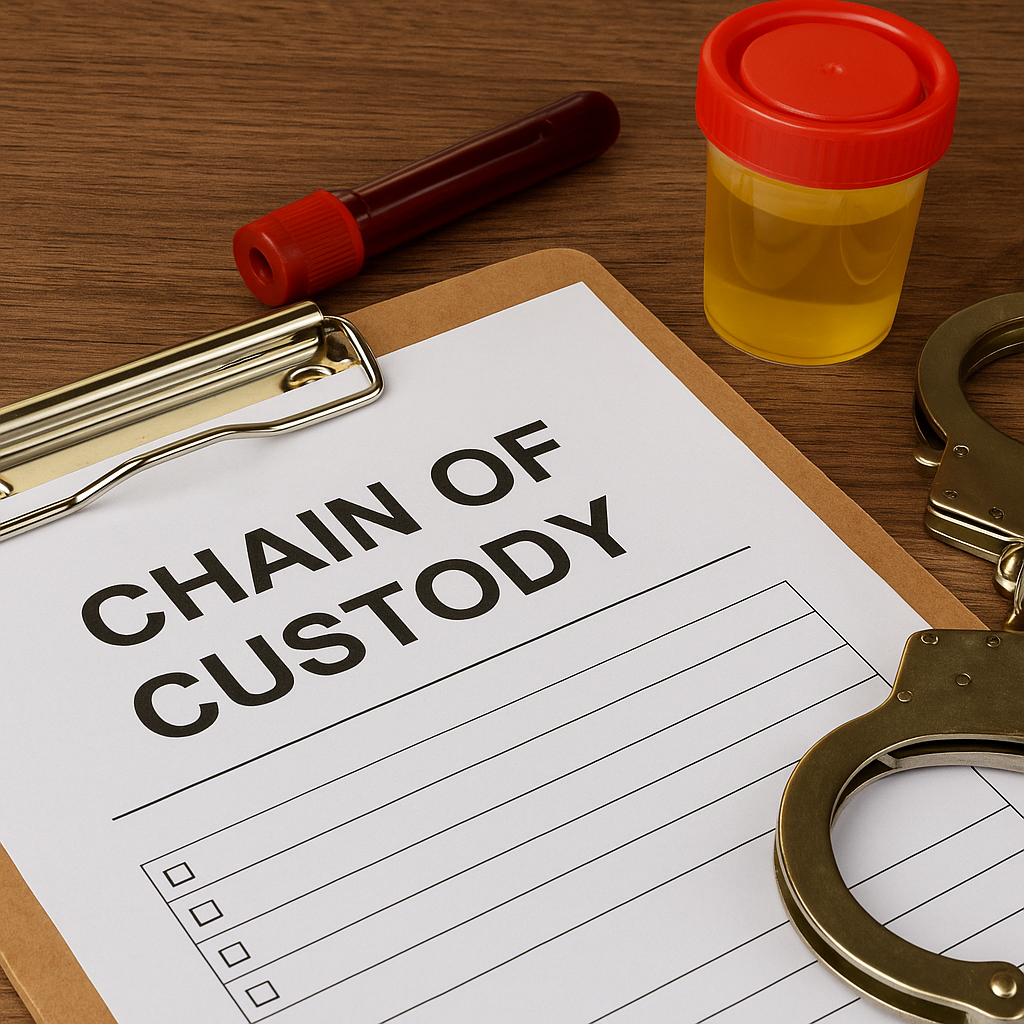
At this stage, one of the most crucial aspects of your case is the chain of custody of any evidence collected, such as blood, urine, or breath samples. This simple yet powerful concept can make or break your case. Understanding the role of the chain of custody in your DWI case is important for ensuring that justice is properly served. It is essential to know how the evidence is handled from the moment it is collected to the time it is presented in court. Without a strong chain of custody, evidence may be deemed unreliable or inadmissible, which can lead to a more favorable outcome for your case.
What is Chain of Custody and Why Does It Matter?
The chain of custody refers to the process of documenting the handling, storage, and transfer of evidence from one party to another. It tracks every individual who handles the evidence, every location it’s kept, and any actions taken with it. This process is essential because it ensures that the evidence presented in court has not been tampered with or contaminated. If there is any break or issue in the chain of custody, the defense may argue that the evidence is unreliable or should not be considered.In DWI cases, one of the most common pieces of evidence is a chemical test result, such as a blood or urine test that shows the level of alcohol or drugs in your system. The accuracy of these results is highly dependent on the way the evidence is collected and handled. A mistake in the collection or storage of a blood sample can lead to the sample being thrown out or dismissed as unreliable. For example, if there is no record of who collected the sample, when it was collected, or where it was stored, a judge may rule that the evidence cannot be used against you. This is where the importance of chain of custody in your case comes into play.
The Role of Evidence in Your DWI Case
The prosecution in your DWI case may rely heavily on evidence such as chemical test results to prove that you were intoxicated at the time of your arrest. However, this evidence is not automatically considered accurate or credible simply because it comes from a laboratory or law enforcement. The handling of that evidence plays a significant role in determining whether it is trustworthy.
If there is any doubt about the integrity of the evidence, your defense team can challenge its credibility in court. One of the first things your attorney will do is examine the chain of custody of all evidence collected during your arrest. A broken chain can lead to serious doubts about the reliability of the test results. For example, if the blood sample was not properly stored or if there is no record of who handled it, the evidence could be thrown out. This could weaken the prosecution’s case and give you a better chance at a successful outcome.
How Breaks in the Chain of Custody Can Affect Your Case
A break in the chain of custody occurs when there is an issue with how evidence was handled at any point during the process. For example, if a blood sample was taken from you but the record of who transported it to the lab is missing, this can create a gap in the evidence. The prosecution must prove that the evidence is intact and has not been altered or tampered with. If this is not possible due to a break in the chain, the evidence may be ruled inadmissible.In the context of a DWI case, this is critical. Prosecutors depend on chemical test results to prove that a defendant was intoxicated. If there is any issue with how the sample was collected, stored, or transported, it can significantly undermine the credibility of the evidence. Your attorney will closely examine these steps to identify any potential flaws in the process. If a break in the chain of custody is found, it could result in the dismissal of the chemical test results, leaving the prosecution with little evidence to rely on.
The Importance of Proper Documentation
One of the key components of the chain of custody is documentation. Every step in the process, from the moment the evidence is collected to the time it is presented in court, must be carefully recorded. This documentation includes who collected the evidence, when it was collected, where it was stored, and who handled it at each stage. Without this paper trail, it becomes difficult to prove that the evidence was not tampered with or mishandled.If your case involves a blood or urine sample, your attorney will want to see a clear record of the entire process. They will check the logs of every individual who interacted with the evidence to ensure that the proper protocols were followed. If there is any missing information or gaps in the record, it could raise serious questions about the reliability of the evidence. By focusing on these details, your attorney can ensure that the prosecution’s case is based on evidence that is trustworthy and properly handled.
Case Results
$11,820,000
WARN ACT SETTLEMENT
Reached a settlement of $11,820,000
$11,820,000
WARN ACT CASE SETTLEMENT
Employees fired when not given proper notice
Not Guilty
DRUG JURY TRIAL
Client was a dentist caught with 12 grams of methamphetamine.
Case Dismissed
DRAM SHOP CASE
Death of a person who was run over by a drunk person who left a party.
$2,500,000
CAR ACCIDENT
Confidential settlement of $2,500,000
$4,500,000
DRAM SHOP CASE
Death of a person who was run over by a drunk person who left a party
Not Guilty
DWI JURY TRIAL
Client was asleep on the side of the road with the car on. Breath was .248
Case Dismissed
STATE OF TEXAS v. C.S.
Wrecked motorcycle while leaving the beach, an officer witnessed the accident and assumed he was intoxicated
What Happens When the Chain of Custody is Broken?
When a break in the chain of custody occurs, the defense can argue that the evidence is not reliable and should not be considered in the case. This can lead to a dismissal of the evidence or a reduction in the weight given to it. In some cases, the entire case can fall apart if the prosecution is relying heavily on flawed evidence. This is why having a skilled and dedicated defense team is so important. They will carefully investigate the chain of custody to ensure that no breaks or flaws are present.If a break in the chain of custody is discovered, your attorney will bring it to the court’s attention. The judge will then determine whether the evidence should be excluded from the case. This can significantly affect the outcome of your DWI case. Without solid evidence, the prosecution may struggle to prove their case, which increases your chances of a favorable result.
How Our Firm Can Help You
At Zendeh Del & Associates PLLC, we understand how stressful and confusing it can be to face a DWI charge in Galveston. We are empathetic to your concerns and work tirelessly to ensure that you receive a fair and just outcome. Our team of dedicated professionals will carefully review the chain of custody for any evidence in your case. We will challenge any weaknesses in the handling of that evidence and work hard to protect your rights.If you’re dealing with a DWI case and are worried about the evidence against you, don’t hesitate to reach out for assistance. Our firm can help you navigate the complexities of the legal process, focusing on the important details like the chain of custody that could make all the difference in your case. We’re here to provide you with the support and guidance you need to secure the best possible outcome.If you’re ready to take the next step and discuss your DWI case, contact us today for a consultation. We’ll stand by your side, working hard to get you the best result possible.