
Zendeh Del & Associates PLLC assists U.S. citizens and lawful permanent residents in navigating family-based immigration petitions when their spouse lives abroad. This process involves multiple steps, including filing a petition, submitting supporting evidence, completing consular procedures, and maintaining legal status once the spouse enters the United States. Understanding the stages, requirements, and potential challenges helps families avoid delays and ensures a smoother path to reunification.
Awards & Media Appearances















Understanding Family-Based Immigration for Spouses 
Family-based immigration provides a legal framework for U.S. citizens and lawful permanent residents to bring certain relatives to the United States. When the relative is a spouse living abroad, the process begins with filing Form I-130, Petition for Alien Relative. This petition establishes the qualifying relationship and is a critical first step in obtaining lawful permanent residency. The petition must clearly demonstrate the authenticity of the marriage, including evidence such as joint financial accounts, property ownership, photographs, and affidavits from family or friends. USCIS reviews the petition carefully to ensure that the marriage is bona fide and not entered into solely for immigration purposes.
Eligibility Requirements for Petitioning
The petitioner must meet several criteria to qualify:
- Be a U.S. citizen or lawful permanent resident.
- Have a legally valid marriage recognized by the laws of the country where it took place.
- Meet financial sponsorship requirements to support the spouse, typically through Form I-864, Affidavit of Support.
- Provide substantial evidence showing that the marriage is genuine.
U.S. citizens petitioning for their spouses fall under the “Immediate Relative” category, which is not subject to annual numerical limits, making the process faster. Lawful permanent residents petitioning for a spouse fall under the “Family Preference” category, which is subject to visa availability and can involve longer waiting periods.
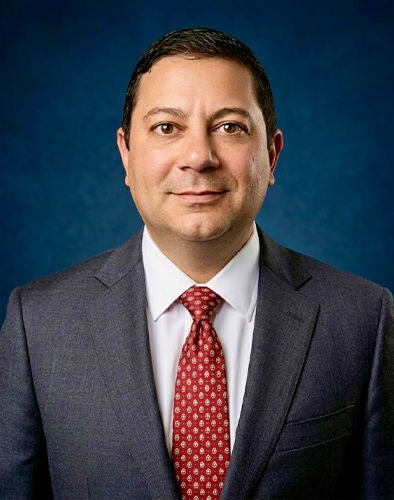
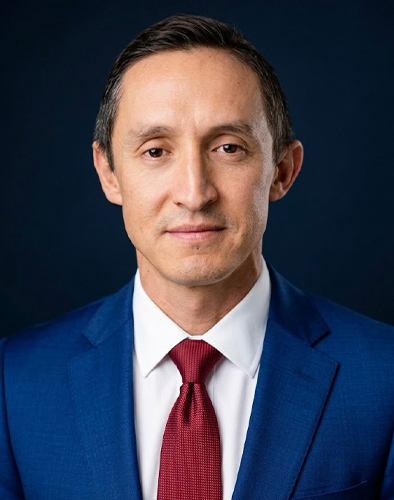
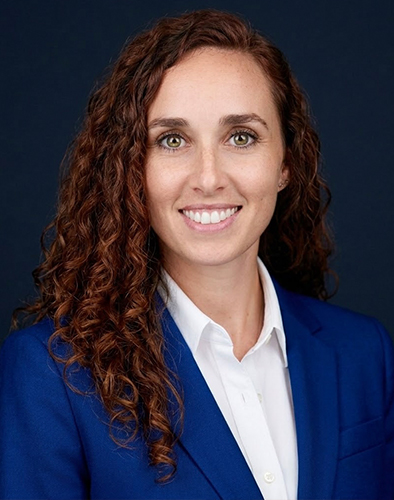
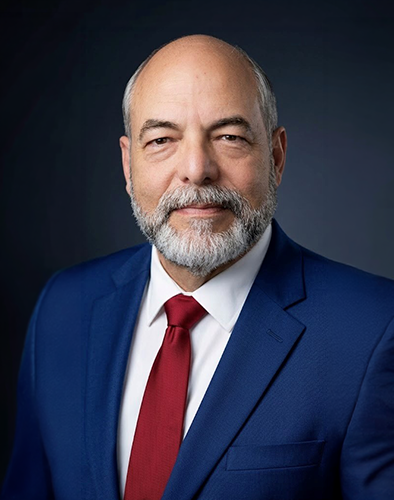
The Zendeh Del & Associates, PLLC Team




Filing the I-130 Petition
Preparing and filing Form I-130 requires meticulous attention to detail. The petitioner must submit proof of U.S. citizenship or lawful permanent residency, the marriage certificate, evidence of joint life, and any additional documentation USCIS may require. Common causes of delays include incomplete paperwork, missing documents, or inconsistencies in the marriage record. Once approved, USCIS forwards the case to the National Visa Center (NVC), which handles the next phase of consular processing for spouses living abroad.
Consular Processing for Spouses Abroad
Once the case reaches the NVC, it is assigned a case number and instructions are provided for completing Form DS-260, the immigrant visa application. Applicants must submit supporting documents such as police certificates, birth certificates, passport copies, and proof of financial sponsorship. The NVC schedules a visa interview at the U.S. embassy or consulate in the spouse’s home country. During this interview, the consular officer evaluates the legitimacy of the marriage, verifies documentation, and ensures the applicant meets all eligibility requirements.
Medical Examination and Visa Issuance
Before the visa interview, the foreign spouse must undergo a medical examination by a physician approved by the U.S. embassy or consulate. Medical results are submitted to the consulate as part of the visa application process. If the consular officer determines that all eligibility requirements are met, an immigrant visa is issued. Upon entering the U.S., the spouse becomes a lawful permanent resident, initially conditional if the marriage is less than two years old at the time of entry.
Case Results
Addressing Common Challenges and Delays
Family-based immigration petitions can face delays for various reasons, including incomplete or inconsistent documentation, delays in obtaining police clearance or birth certificates, high application volume at consulates, and requests for additional evidence from USCIS. A skilled Galveston immigration attorney can anticipate potential complications, ensure all forms and evidence are properly prepared, and help navigate the consular process, minimizing processing times and increasing the likelihood of approval.
Financial Sponsorship Requirements
Petitioners must demonstrate sufficient income to support the spouse at or above the federal poverty guideline. If the petitioner’s income is insufficient, a co-sponsor may be used. The Affidavit of Support legally binds the petitioner to provide financial support if necessary, which is a crucial requirement for visa approval. Accurate financial documentation, including tax returns and employment verification, is essential to avoid delays or denials.
Maintaining Legal Status After Arrival
Upon entering the U.S. with an immigrant visa, the foreign spouse receives conditional permanent residency if the marriage is less than two years old. To remove these conditions, Form I-751 must be filed within the 90-day window before the second anniversary of obtaining conditional residency. Timely filing and adequate documentation ensure continued lawful permanent resident status. Failure to comply may jeopardize the spouse’s residency and ability to live and work in the United States.
Travel Considerations During Processing
Spouses living abroad must plan travel carefully during the petition process. While the I-130 petition is pending, traveling to the U.S. for visits requires a separate visa, such as a tourist or business visa, and entry is at the discretion of Customs and Border Protection officers. Maintaining clear records of travel, employment, and residence abroad can help demonstrate the legitimacy of the relationship during consular processing.
Legal Guidance and Support
Zendeh Del & Associates PLLC in Galveston provides comprehensive support for family-based immigration petitions. Attorneys can assist with preparing and filing petitions, gathering documentation, responding to requests for evidence, coordinating consular procedures, and advising on financial sponsorship requirements. Expert guidance reduces the risk of errors, streamlines processing, and provides peace of mind to couples navigating the complex immigration system.
Internal References for Additional Support
- https://www.galvestonjustice.com/blog/ (general immigration resources)
- https://www.galvestonjustice.com/blog/state-established-chain-of-custody/ (documentation and record-keeping guidance)
- https://www.galvestonjustice.com/blog/impermissible-stops-if-the-officer-belatedly-discovers-an-arrest-warrant/ (legal compliance and preparation strategies)
If you are planning to file a family-based immigration petition for a spouse living abroad, contact Zendeh Del & Associates PLLC in Galveston. Our experienced legal team offers guidance, preparation, and support to help your spouse obtain lawful permanent residency efficiently. Schedule a free consultation today.
Disclaimer
This content is for informational purposes only and does not constitute legal advice. Individuals should consult an attorney regarding their specific situation to ensure compliance with U.S. immigration law.

|
|

 |