
At Zendeh Del & Associates PLLC, defending clients against DWI charges in Galveston, Texas often begins with a careful review of the circumstances surrounding the initial traffic stop. The law requires that police officers have a legitimate reason—either reasonable suspicion or probable cause—to pull over a driver. When the stop is weak, flawed, or based on an officer’s hunch rather than observable behavior, it can create serious opportunities to challenge the prosecution’s case. This can impact whether chemical tests, field sobriety results, and statements made during the encounter are admissible in court. Understanding the nuances of traffic stops under Texas law is critical for anyone facing a DWI charge, because the outcome often hinges on whether the stop itself was conducted legally and appropriately.
Awards & Media Appearances



















Legal Standards Governing Traffic Stops in Texas 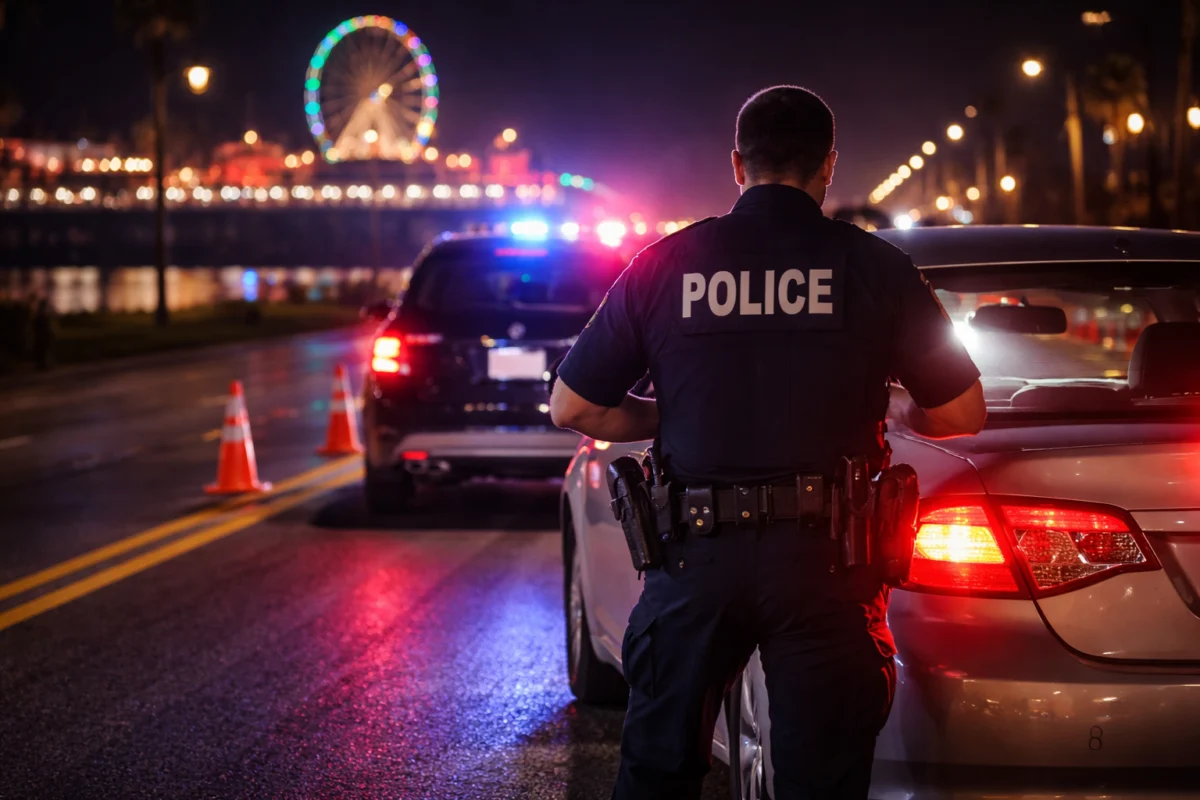
Traffic stops are considered seizures under both the Fourth Amendment of the U.S. Constitution and the Texas Code of Criminal Procedure. An officer must observe a violation or have a reasonable basis to suspect criminal activity before initiating a stop. In DWI cases, common reasons for traffic stops include visible erratic driving, running a stop sign, failing to maintain a lane, or minor equipment violations. However, a stop that lacks objective justification can be challenged in court. If a stop is deemed improper, evidence obtained as a result may be excluded, which can be decisive in the case. Courts evaluate the totality of circumstances to determine whether the officer had the necessary legal grounds to stop the vehicle.
Reasonable Suspicion vs. Probable Cause
The distinction between reasonable suspicion and probable cause is essential. Reasonable suspicion allows an officer to briefly stop and investigate based on observable signs of potential wrongdoing. Probable cause is a stronger requirement, necessary to conduct searches or make arrests. A traffic stop that does not meet these standards may be considered unlawful, and any evidence obtained afterward, such as a breathalyzer or field sobriety test, could be suppressed. For instance, a Galveston case involved an officer citing minor lane changes as justification for a stop; the defense successfully argued that this did not constitute reasonable suspicion, and the DWI charge was ultimately dismissed. Another case saw a stop justified by alleged erratic driving, but the court limited the evidence obtained through a vehicle search, illustrating that even marginally weak stops can affect the prosecution’s ability to secure a conviction.
The Zendeh Del & Associates, PLLC Team








Common Scenarios Where Stops May Be Weak
Stops may be weak or legally vulnerable in several situations. For example, a minor equipment violation, such as a broken taillight, might be used as a pretext for a DWI investigation, but if the violation is exaggerated or disputed, it can be challenged. Similarly, stops based on vague claims of erratic driving—like drifting slightly within a lane or driving under weather-related conditions—may not meet the reasonable suspicion threshold. Courts also scrutinize stops that appear pretextual, discriminatory, or unsupported by objective observations. In some cases, the officer may have relied on hunches or unverified reports from other drivers rather than direct evidence. Each of these factors can significantly influence whether the stop can be contested and how the resulting evidence is treated in court.
Impact on Evidence and Case Outcomes
When a traffic stop is ruled invalid, the consequences for the case can be substantial. Evidence obtained during the stop, including breathalyzer or blood test results, statements made to law enforcement, and field sobriety tests, may be suppressed. This can remove the prosecution’s key evidence and dramatically strengthen the defense. Even if the stop is only partially weak, attorneys can argue to exclude improperly collected evidence, potentially reducing the severity of charges or leading to case dismissal. In Galveston, examples exist where DWI charges were dropped entirely after courts determined the initiating stop lacked sufficient legal justification. Other cases resulted in reduced charges when the primary evidence was suppressed, highlighting the importance of challenging weak stops.
The Role of a Skilled Attorney
A DWI defense lawyer in Galveston plays a critical role in identifying weaknesses in a traffic stop. At Zendeh Del & Associates PLLC, attorneys carefully review police reports, dashcam footage, and witness accounts to determine whether reasonable suspicion or probable cause existed. They file motions to suppress evidence when appropriate, negotiate with prosecutors, and represent clients at hearings to safeguard their rights. By scrutinizing every aspect of the stop—from the initial observation to how tests were administered—attorneys can help ensure that the prosecution meets its burden of proof. In many cases, this comprehensive defense approach can result in charge reductions, alternative resolutions, or outright dismissal.
Case Results
Real-World Examples from Galveston, Texas
Several cases in Galveston illustrate how weak traffic stops can influence DWI outcomes. In one case, a driver was pulled over for a lane deviation that the officer later admitted was minimal and unremarkable. The court found the stop lacked reasonable suspicion, suppressed the breath test results, and dismissed the DWI charges. In another situation, a stop for minor traffic violations led to a search of the vehicle that uncovered evidence of alcohol use. The court ruled that the search was unlawful because the stop did not provide sufficient grounds, which limited the admissible evidence and ultimately affected the case outcome. These examples demonstrate that the initial legitimacy of a traffic stop can define the trajectory of a DWI case.
Misconceptions About Weak Stops
Not every weak traffic stop results in dismissal. Courts assess the totality of circumstances, and other evidence—such as voluntary admissions or eyewitness accounts—can still support a conviction. The strength of a DWI case depends on the legal sufficiency of the stop, the quality of evidence collected, and how effectively an attorney challenges procedural defects. Drivers often mistakenly believe that a minor procedural error guarantees a case dismissal, but it is the combination of errors, inconsistencies, and insufficient justification that creates an opportunity for effective defense.
Practical Steps for Drivers
If stopped, remaining calm and compliant is critical. Document any irregularities, note officer statements, and avoid self-incriminating remarks. Declining voluntary field sobriety tests can sometimes be appropriate, depending on the situation, but it should be done with legal guidance. Contacting an experienced attorney immediately preserves the opportunity to challenge any improper stop and protect your rights. Legal representation ensures that procedural missteps by law enforcement are fully evaluated and used effectively in court.
The legality and strength of a traffic stop are pivotal in DWI defense in Galveston, Texas. Weak or improperly conducted stops can result in suppression of evidence, charge reductions, or case dismissals. Working with Zendeh Del & Associates PLLC provides expert review and representation to navigate these complexities, ensuring that rights are protected and the best possible outcomes are pursued. Understanding these legal principles can make a significant difference in the defense of DWI charges, and early consultation with an experienced attorney is key to leveraging any weaknesses in the initial stop.
Facing DWI charges in Galveston? Reach out to Zendeh Del & Associates PLLC. Our experienced attorneys provide skilled and results-driven representation. Contact us today to schedule a free consultation and understand your legal options.
To learn more about this subject click here: Texas DWI Myths Debunked: What You Need to Know

|
|

 |