
Yes, you can get a DWI on a boat in Texas. Texas Penal Code Section 49.06 makes it a crime to be intoxicated while operating a watercraft, and Texas law treats a first boating while intoxicated offense as a Class B misdemeanor with a minimum confinement term of 72 hours unless an enhancement applies. For Galveston boaters, this can affect outings near Galveston Bay, Offatts Bayou, the Gulf, marinas, fishing areas, and holiday weekend patrol zones. Zendeh Del & Associates PLLC helps people in Galveston understand what a boating intoxication charge means, what evidence may matter, and what legal options may be available.
Awards & Media Appearances


















Boating While Intoxicated in Galveston, Texas 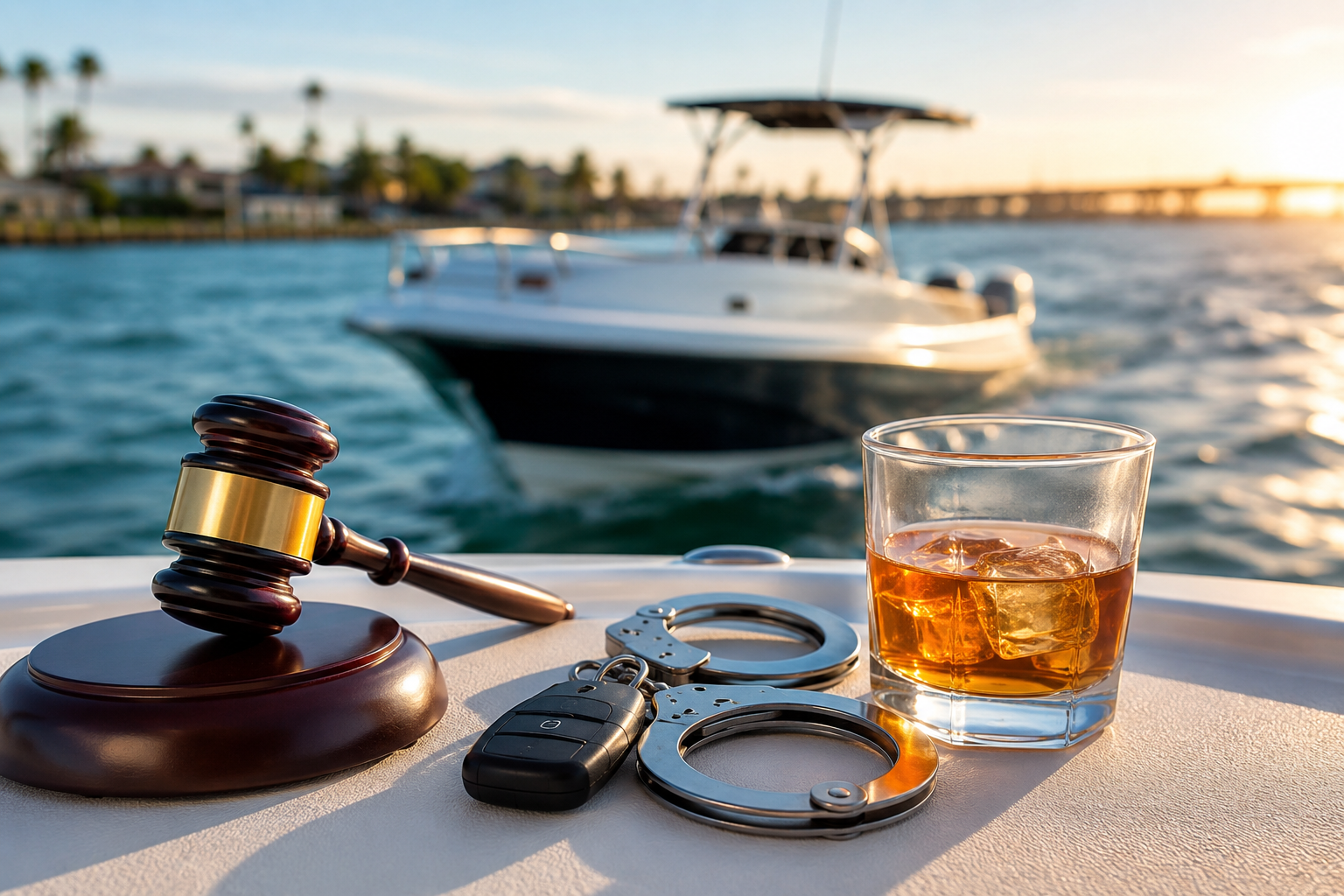
A day on the water can feel different from driving on Broadway, Seawall Boulevard, or I-45, but Texas intoxication laws do not stop at the shoreline. If law enforcement believes someone operated a boat while intoxicated, the case may be handled as boating while intoxicated, often called BWI.
In everyday conversation, many people ask whether they can get a “DWI on a boat.” Technically, the Texas statute uses boating while intoxicated, but the core concern is similar: the government claims a person was intoxicated while operating a vehicle or vessel.
In Galveston, these cases may begin after:
- A stop by a marine patrol unit
- A boating safety inspection
- A collision or near collision
- A passenger injury
- Unsafe speed, poor docking, or erratic operation
- A report from another boater
- A holiday enforcement detail near busy waterways
If the charge is tied to alcohol, drugs, or a combination of substances, the details matter. A person may look unsteady because of waves, heat, fatigue, dehydration, fishing activity, seasickness, or the movement of the boat itself. Those facts do not automatically defeat a charge, but they can be relevant when reviewing the evidence.
The Zendeh Del & Associates, PLLC Team








What Texas Law Says About BWI
Texas Penal Code Section 49.06 states that a person commits boating while intoxicated if the person is intoxicated while operating a watercraft. The same chapter defines intoxication to include either not having the normal use of mental or physical faculties because of alcohol, a controlled substance, a drug, a dangerous drug, a combination of substances, or having an alcohol concentration of 0.08 or more.
That means a BWI case does not always depend on a breath or blood result. Prosecutors may use officer observations, statements, video, field sobriety exercises, boating behavior, witness accounts, and chemical testing if testing occurred.
Texas Parks and Wildlife also warns boaters that operating while intoxicated includes loss of mental or physical faculties or a blood alcohol content of 0.08 or higher. A first conviction may carry a fine up to $2,000, jail up to 180 days, or both.
For readers who want more background on intoxication-related defense issues, the firm’s Galveston DWI lawyer page may be helpful: https://www.galvestonjustice.com/dwi-lawyers-in-galveston-county-tx/
Can You Drink Alcohol on a Boat in Texas?
Open containers are not automatically illegal on boats in Texas, but operating the boat while intoxicated is illegal. Texas Parks and Wildlife explains that open containers are legal, while boat operators remain subject to boating while intoxicated laws, and passengers or operators may still face public intoxication issues depending on the facts.
This is where many people get confused. Drinking on a boat is not the same as legally operating a boat while impaired. A passenger with a drink is different from an operator whose mental or physical faculties are affected. A person who plans to operate should treat boating the same way they would treat driving: choose a sober operator, plan the trip back, and avoid guessing about impairment.
Case Results
What Counts as Operating a Watercraft?
Operation can become a major issue in a Galveston BWI case. On the road, police often focus on who was behind the wheel. On the water, control can be less clear.
A boat may drift, idle, anchor, dock, or move slowly through a marina. More than one person may have steered during the trip. Someone may have consumed alcohol only after the boat stopped. Officers may arrive after the boat is already tied off or after passengers have changed places.
Questions that may matter include:
- Who was actually steering or controlling the boat?
- Was the vessel moving, anchored, docked, or drifting?
- Did the officer personally observe the operation?
- Were there passengers who can explain who was in control?
- Did GPS, marina cameras, phone photos, or body camera footage capture the timeline?
- Was alcohol consumed before, during, or after operation?
These questions are fact-specific. They may affect whether the State can prove each element of the charge.
Where BWI Charges May Happen Around Galveston
Galveston’s location makes boating part of local life. Fishing trips, bay cruises, marina outings, personal watercraft use, and Gulf access can all bring people into contact with marine enforcement.
A BWI investigation may occur near Galveston Bay, the Galveston Channel, Offatts Bayou, West Bay, boat ramps, docks, marinas, or areas with heavy weekend boating traffic. Crowded waterways can increase law enforcement visibility, especially during warm weather, fishing tournaments, major holidays, spring break periods, and summer weekends.
Weather does not need to be dramatic to affect a case. Bright sun, glare, wake from nearby vessels, humid conditions, and long hours on the water may affect balance, speech, appearance, or coordination. A defense review should account for real conditions on the water rather than assuming every observation means intoxication.
Penalties for Boating While Intoxicated in Texas
A first BWI charge is generally a Class B misdemeanor with a minimum term of confinement of 72 hours unless another statute increases the charge. Texas Parks and Wildlife lists first conviction penalties as a fine up to $2,000, jail up to 180 days, or both. A second conviction may involve a fine up to $4,000 and confinement up to one year. A third conviction may involve a fine up to $10,000 and imprisonment for two to ten years.
Texas also has a separate offense for boating while intoxicated with a child passenger. A person can face this charge if accused of being intoxicated while operating a watercraft occupied by a passenger younger than 15 years old, and Texas law classifies that offense as a state jail felony.
Other consequences may include court costs, probation conditions, alcohol education requirements, employment concerns, professional licensing issues, travel problems, and a criminal record. In some situations, a driver’s license suspension may also become an issue after refusal to provide a specimen while operating certain motor-powered watercraft. Texas Parks and Wildlife states that suspension can apply when the watercraft has an engine rating of 50 horsepower or above and the arrested person refuses breath or blood testing.
Because penalties depend on criminal history, testing, injuries, passenger age, and other facts, no one should assume a boating charge is minor.
What Evidence Police May Use in a Galveston BWI Case
A BWI case often rests on a mix of officer observations and physical evidence. Reports may mention odor of alcohol, red or watery eyes, slurred speech, confusion, unsafe boating, difficulty finding registration, open containers, admissions to drinking, or balance problems on the deck or dock.
Chemical testing may also play a role. Breath and blood evidence can raise legal and scientific questions, especially when there are delays, medical issues, maintenance questions, chain-of-custody concerns, or uncertainty about when alcohol was consumed.
Potential defense questions may include:
- Did officers have a lawful reason to stop or detain the boat?
- Was the accused actually operating the watercraft?
- Were safety checks handled properly?
- Were field sobriety exercises fair under boating conditions?
- Did water movement, footwear, fatigue, or heat affect balance?
- Was the breath or blood test administered correctly?
- Were statements taken lawfully?
- Did officers preserve video, witness information, GPS records, or dispatch notes?
- Did passengers give conflicting accounts?
These are not loopholes. They are basic questions about whether the government can prove its case.
How BWI Differs From a Roadside DWI
A boating while intoxicated case may feel similar to a DWI case, but the environment is different. Field sobriety exercises that are already subjective on land can become more complicated around docks, ramps, boat decks, waves, wind, and poor lighting.
Police may also approach boats for safety checks, equipment concerns, or registration issues before any intoxication investigation begins. The transition from a boating safety contact to a criminal investigation may be important.
People facing related criminal allegations can review the firm’s criminal defense resources here: https://www.galvestonjustice.com/criminal-defense-lawyers-in-texas/
What to Do After a Boating While Intoxicated Arrest
After a Galveston BWI arrest, avoid guessing about the outcome. A charge is not the same as a conviction. Early action can help preserve details that may matter later.
Helpful steps include:
- Write down what happened while the memory is fresh.
- Save photos, videos, marina receipts, GPS data, texts, and call logs.
- Make a list of passengers and witnesses.
- Keep any paperwork from law enforcement or the court.
- Avoid posting about the incident on social media.
- Do not contact witnesses in a way that could be misunderstood.
- Speak with a defense attorney before making statements about the facts.
If the incident involved a crash or injury, the case may become more serious. The firm’s Galveston DUI injury lawyer page may be useful for related issues involving intoxication allegations and injury claims: https://www.galvestonjustice.com/galveston-dui-injury-lawyers/
How an Attorney Can Help With a Galveston BWI Charge
A defense attorney can review the charge from several angles: the stop, the alleged operation, the officer’s observations, testing procedure, witness accounts, and the legal elements of the offense. The goal is not to excuse unsafe conduct. The goal is to make sure the accusation is tested carefully and that the accused person understands each available option.
Possible defense work may include obtaining police reports, requesting videos, reviewing chemical testing records, comparing witness statements, investigating water and docking conditions, reviewing prior convictions if enhancements are alleged, negotiating with prosecutors, and preparing for trial when needed.
Local knowledge also matters. Galveston cases can involve county courts, local law enforcement, marine enforcement, nearby marinas, and court procedures that may differ from other Texas counties. A lawyer familiar with criminal defense in Galveston can help explain what to expect at each stage.
To learn more about the firm’s broader practice areas, visit: https://www.galvestonjustice.com/practice-areas/
When to Seek Legal Guidance
A boating while intoxicated case can affect more than one weekend on the water. It can affect your record, your job, your family, your license, your travel, and your future. You do not have to make decisions without legal guidance.
If you were arrested after a boating stop, safety inspection, marina encounter, or accident in Galveston, gather your documents and ask for help before assuming the case cannot be defended.
Speak With a Galveston BWI Defense Attorney
If you are facing a boating while intoxicated charge in Galveston, Zendeh Del & Associates PLLC can review what happened, explain the process, and help you understand your options. Contact the firm through https://www.galvestonjustice.com/contact-us/ to schedule a free consultation.
This article is for informational purposes only and is not legal advice. Consult an attorney about your specific situation.

|
|

 |