
In criminal defense cases, evidence is the cornerstone of a strong defense. It can either support or challenge the narrative presented by the prosecution, influencing the outcome of a case. In Galveston, where the criminal justice system is rigorous and well-established, the role of evidence cannot be underestimated. Whether it’s physical evidence or witness testimony, the way evidence is handled can make the difference between a conviction and an acquittal. In this page, we will explore the various types of evidence, the challenges of handling evidence, and how it is used in criminal defense cases in Galveston.
Awards & Media Appearances


















Types of Evidence in Criminal Defense Cases 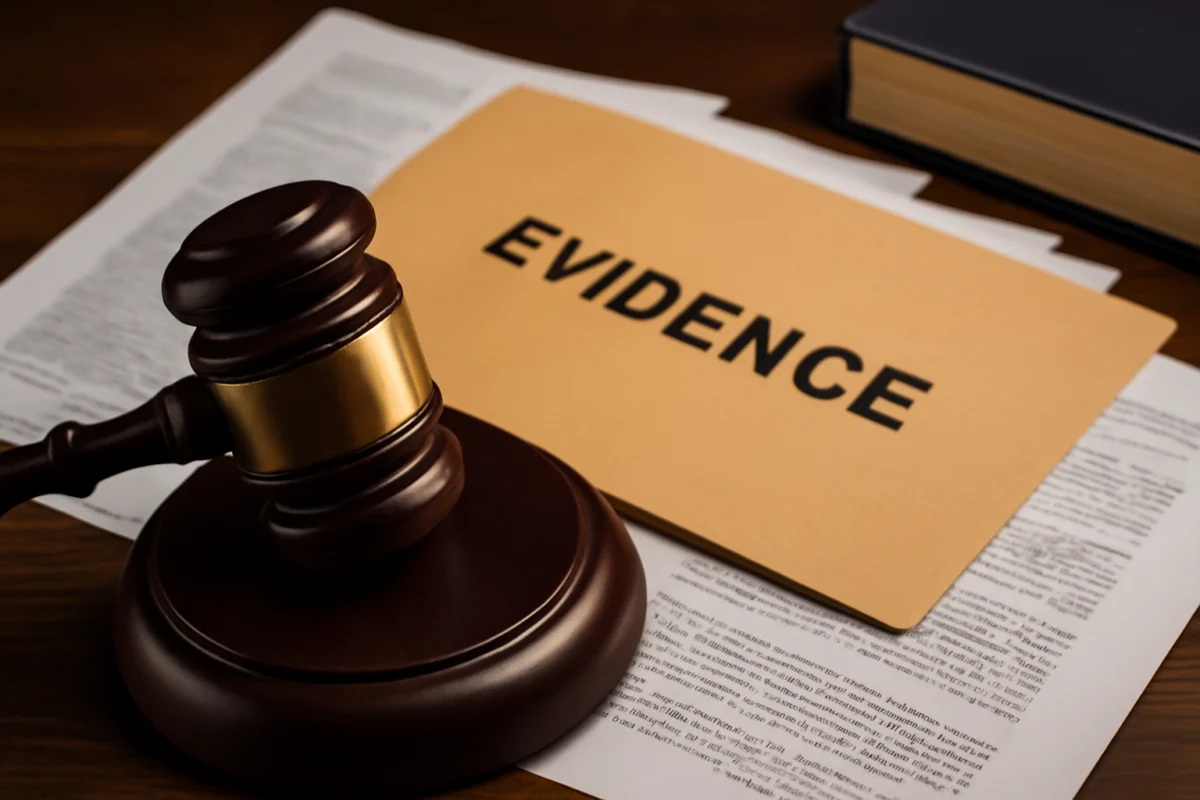
Understanding the different types of evidence is crucial for anyone involved in a criminal case. In Galveston, defense attorneys rely on a wide variety of evidence to build their case and challenge the prosecution’s arguments. The primary types of evidence include physical evidence, forensic evidence, witness testimony, expert testimony, and digital evidence.
Physical Evidence in Criminal Defense
Physical evidence is any object that can be tied directly to the crime or the defendant. It can range from weapons used in the commission of a crime to personal items that were left behind at a crime scene. For example, if a defendant is accused of assault, a weapon, clothing with blood stains, or fingerprints on an object might serve as physical evidence that links them to the crime. In Galveston, physical evidence plays a significant role, as it can often be the most direct way to prove or disprove a claim.
Forensic Evidence in Criminal Defense
Forensic evidence is often considered the most reliable form of evidence in criminal trials. This includes DNA, fingerprints, and other biological materials that can be analyzed by experts. For example, in a case involving a violent crime, forensic analysis of blood found at the scene could confirm or exclude the defendant’s involvement. In Galveston, the reliance on forensic science has grown over the years, with modern techniques allowing defense attorneys to challenge forensic evidence with precision. Defense attorneys may bring in their own forensic experts to question the reliability of the prosecution’s findings.
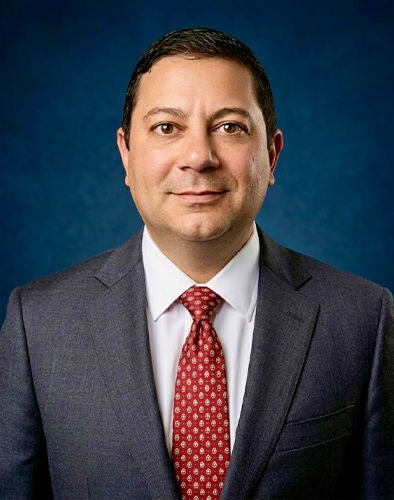
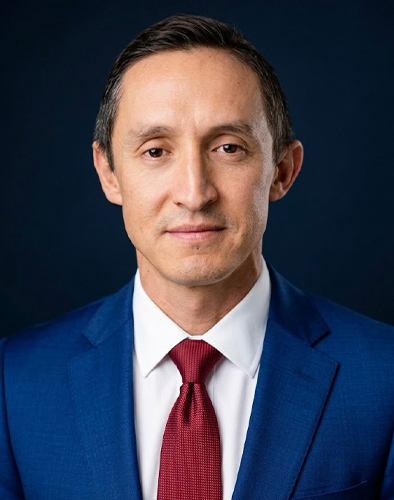
The Zendeh Del & Associates, PLLC Team






Witness Testimony in Criminal Defense
Witness testimony is a crucial component of many criminal defense cases. Witnesses can provide information about the events leading up to the crime, the crime itself, or the circumstances of the defendant’s actions. In Galveston, as elsewhere, defense attorneys will often cross-examine prosecution witnesses to identify contradictions, biases, or unreliable accounts. The strength of a case can hinge on how well a defense attorney handles witness testimony, either casting doubt on the reliability of the prosecution’s witnesses or presenting witnesses who support the defendant’s innocence.
Expert Testimony in Criminal Defense
Expert testimony refers to the specialized knowledge offered by professionals in a particular field, such as forensic scientists, psychologists, or accident reconstruction experts. In Galveston, expert witnesses are often called upon to explain complex technical evidence, such as the interpretation of blood alcohol content (BAC) levels in a DWI case. Defense attorneys may use expert testimony to challenge the interpretation of evidence, suggest alternative theories, or raise doubts about the prosecution’s case. The right expert testimony can be a game-changer, especially in cases where the facts are difficult for a layperson to understand.
Digital Evidence in Criminal Defense
In today’s digital age, evidence from electronic devices is becoming more and more prevalent in criminal defense cases. This includes data from cell phones, computers, and surveillance systems. In Galveston, defense attorneys increasingly rely on digital evidence to disprove charges or support their defense. For instance, location data from a phone’s GPS system could place the defendant miles away from the scene of the crime at the time it occurred, while video footage from a surveillance camera might show a different suspect. However, the handling of digital evidence requires expertise, as data can be easily corrupted, altered, or misinterpreted without proper precautions.
See what our past clients have to say about us. These guys are amazing. They made a most horrific experience bearable. They treated me with respect and no judgment. I cannot describe how grateful I am for their representation with my case. 5 stars is not enough. I hope I never need them again but would ABSOLUTELY use them again and definitely recommend them.Client
Reviews
— Jennifer S.
— Kristin F.
Challenges in Handling Evidence in Criminal Defense
While evidence is key to criminal defense, it’s not always straightforward to use in court. Several challenges can arise when working with evidence in criminal cases, especially in Galveston, where legal professionals are highly skilled and adept at challenging all forms of evidence.
Admissibility of Evidence
Not all evidence is automatically admissible in court. It must meet certain criteria to be deemed relevant and reliable. Evidence that is illegally obtained, for example, is often excluded from trials under the exclusionary rule. Defense attorneys in Galveston must be aware of these rules and ensure that evidence is gathered in compliance with legal standards. A common defense strategy is to challenge the admissibility of evidence based on how it was obtained, such as whether proper warrants were issued or if there was a violation of constitutional rights.
Case Results
Chain of Custody Issues
The chain of custody refers to the documentation that tracks the movement and handling of physical evidence from the moment it is collected to when it is presented in court. Any break in the chain of custody can undermine the credibility of evidence. In Galveston, where criminal cases are often contested on the smallest details, maintaining a clear and documented chain of custody is critical. Defense attorneys will examine the handling of evidence to look for gaps or irregularities that could suggest tampering or mishandling.
Expert Witness Challenges
While expert testimony can be powerful, it also presents challenges. Experts may have conflicting opinions, and their qualifications and methods can be questioned. In Galveston, defense attorneys often cross-examine the prosecution’s experts to expose any flaws in their testimony or methodology. The ability to discredit an expert witness can shift the case in favor of the defendant, but it requires thorough knowledge of the expert’s field and experience in cross-examination.
Preservation of Evidence
Evidence must be preserved properly to remain useful in a trial. Forensic samples, physical evidence, and even witness statements must be kept in a way that ensures their integrity. In Galveston, the defense often investigates how evidence was preserved by law enforcement. If evidence was lost, damaged, or altered, it could result in it being excluded from the case or discredited in court.
Using Evidence to Build a Criminal Defense
A defense attorney’s role is not only to challenge the prosecution’s evidence but also to use evidence to support their client’s defense. The following strategies are commonly employed by defense attorneys in Galveston.
Cross-Examining the Prosecution’s Evidence
One of the most important functions of a criminal defense attorney is to cross-examine the prosecution’s witnesses and challenge the evidence they present. Through effective cross-examination, defense attorneys can reveal inconsistencies, biases, or even lies in witness testimonies. This helps create reasonable doubt in the minds of the jury, which is essential for securing an acquittal.
Presenting Favorable Evidence
Defense attorneys may present their own evidence to support the defendant’s innocence or to challenge the prosecution’s theory. For instance, an alibi witness might testify that the defendant was elsewhere at the time of the crime. Similarly, physical evidence that contradicts the prosecution’s case could be presented to cast doubt on their allegations.
Negotiating for Evidence
In some cases, defense attorneys may negotiate with the prosecution for access to evidence that could help the defendant’s case. This could be done during plea negotiations or pretrial motions. Having access to evidence before the trial begins can give the defense an edge and may even lead to a favorable plea deal or dismissal of charges.
Investigating New Evidence
Sometimes, new evidence can emerge after the case has started. Defense attorneys in Galveston often conduct their own investigations to uncover new evidence that might prove the defendant’s innocence or undermine the prosecution’s case. This can include re-interviewing witnesses, gathering new physical evidence, or obtaining new expert opinions.
The Impact of Evidence on Fair Trials
Evidence plays a central role in ensuring that criminal defendants receive a fair trial. The prosecution must prove guilt beyond a reasonable doubt, and the defense must be able to challenge that evidence. In Galveston, a strong defense is built on not only attacking the prosecution’s evidence but also presenting evidence that casts doubt on the accusations. Fairness in trial depends on how well both sides handle the evidence, and a skilled defense attorney can ensure that the defendant’s rights are protected throughout the legal process.
In criminal defense cases, evidence is a powerful tool that can determine the outcome of a trial. In Galveston, where criminal law is enforced with rigor, defense attorneys must be adept at handling, challenging, and presenting evidence to secure the best outcome for their clients. Whether it’s physical evidence, expert testimony, or digital records, every piece of evidence plays a role in shaping the defense strategy. If you or someone you know is facing criminal charges in Galveston, it is essential to consult Zendeh Del & Associates PLLC, we understands the nuances of evidence and how to use it effectively in court.
To learn more about this subject click here: Common Myths About Criminal Defense in Galveston Debunked

|
|

 |