
Summer motorcycle accidents in Galveston often involve a driver who fails to see a rider, misjudges the motorcycle’s speed, or makes a sudden movement in crowded traffic. Common causes include left-turn collisions, unsafe lane changes, distracted driving, speeding, following too closely, impaired driving, and hazardous road conditions.
Texas recorded 8,932 motorcycle crashes in 2025. Those crashes killed 557 motorcyclists and seriously injured 2,468 riders. TxDOT urges drivers to look twice for motorcycles, especially during warmer months when more riders are on Texas roads.
Zendeh Del & Associates PLLC helps injured riders and their families understand how fault, insurance coverage, medical evidence, and Texas filing deadlines may affect a claim. A serious crash can leave you dealing with surgery, missed work, motorcycle damage, and insurance questions at the same time. Identifying the likely cause can help preserve evidence and clarify which parties may be responsible.
A motorcycle crash investigation should begin before video is deleted, vehicles are repaired, or road conditions change.
Awards & Media Appearances

















Why Summer Traffic Creates Added Risks in Galveston
Summer brings beach visitors, vacation traffic, festivals, and more vehicles to Galveston, Texas. Roads such as Seawall Boulevard, Broadway Avenue, Harborside Drive, and the Interstate 45 corridor can place local riders beside drivers who are watching navigation apps, searching for parking, or changing lanes at the last moment.
Motorcycles are smaller than passenger vehicles. They may be hidden by mirrors, roof pillars, parked vehicles, trucks, or surrounding traffic. A brief glance may not reveal an approaching rider. The danger can increase near intersections, driveways, median openings, parking areas, and busy commercial entrances.
Coastal rain can reduce traction. Standing water may hide potholes or uneven pavement. Sand, loose gravel, debris, and construction material can affect a motorcycle more severely than a passenger vehicle because a rider has less room to recover from a sudden loss of balance.
Drivers Turning Left Across a Motorcycle’s Path
Left-turn collisions are among the most dangerous motorcycle crash patterns. A driver may see the motorcycle but believe it is farther away or moving more slowly than it is. Another driver may not notice the rider until the turn has already begun.
These crashes often happen at intersections, parking-lot entrances, hotel driveways, and median openings. The rider may have only seconds to brake or change direction. TxDOT advises drivers to let an approaching motorcycle pass before making a left turn because drivers may misjudge a motorcycle’s speed and distance.
Evidence that may help establish what happened includes:
- Traffic-camera footage
- Nearby business or residential surveillance video
- Skid marks and debris patterns
- Damage to the motorcycle and other vehicles
- Witness statements
- Electronic vehicle data
Unsafe Lane Changes and Merging
A motorcycle can remain in a vehicle’s blind spot even when the rider believes the driver should be able to see it. A driver who changes lanes without checking mirrors and blind spots may sideswipe the motorcycle, force the rider onto the shoulder, or push the rider into another lane.
This risk can be serious on multilane roads and near the Galveston Causeway, where traffic may accelerate, slow, or merge over a short distance. Drivers following navigation directions may also make abrupt lane changes near an exit or destination.
The firm’s Galveston motorcycle accident lawyers page explains how a claim may address negligent driving, insurance coverage, serious injuries, and accident-related losses.
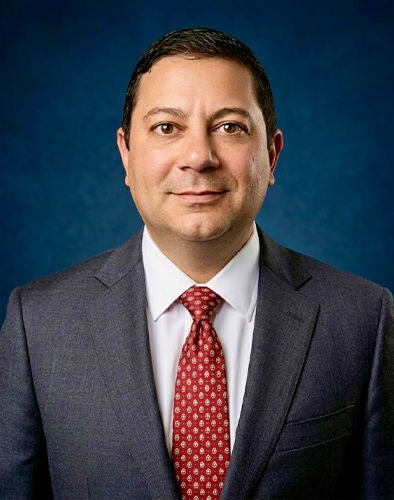
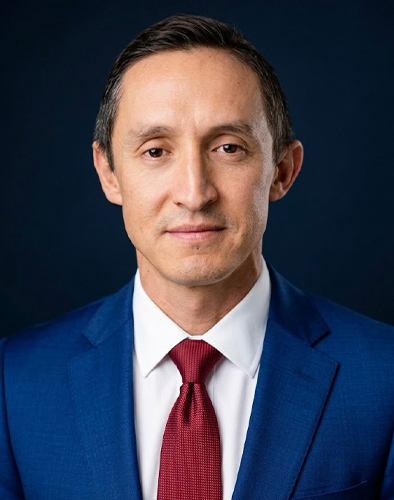
The Zendeh Del & Associates, PLLC Team




Distracted Driving
Distracted driving includes texting, but phone use is not the only distraction. A driver may be adjusting music, entering a destination, eating, speaking with passengers, taking photographs, or watching activity near the beach.
A few seconds of inattention can prevent a driver from recognizing a motorcycle ahead or beside the vehicle. Evidence may include:
- Phone records
- Infotainment-system data
- Social media activity
- Witness statements
- Traffic or surveillance video
Some businesses overwrite video within days, and electronic information may not remain available indefinitely. A preservation request may be necessary before evidence is lost.
Speeding or Driving Too Fast for Conditions
Speed reduces reaction time and increases the force of a collision. A driver traveling too fast may be unable to stop when traffic slows near a crosswalk, parking entrance, work zone, or intersection.
The posted speed limit is not the only factor. Drivers must also respond to congestion, rain, visibility, construction, and road-surface conditions. A speed that may be lawful on an open road can still be unsafe when traffic is dense or pavement is wet.
Insurance companies sometimes argue that a rider was speeding even when another driver made an unsafe turn or lane change. Scene measurements, video, witness accounts, and accident-reconstruction analysis may help evaluate that argument.
Following Too Closely
Motorcycles can slow through downshifting, which may not activate the brake light immediately. A driver who follows too closely may not recognize that the motorcycle is slowing until a rear-end collision becomes difficult to avoid.
This danger often appears in stop-and-go traffic. A rider hit from behind may be thrown from the motorcycle or pushed into another vehicle. Even a lower-speed impact can cause a head injury, broken bones, spinal trauma, or road rash.
TxDOT advises drivers to leave a safe following distance and give motorcycles a full lane of space.
Impaired Driving
Summer events, nightlife, beach gatherings, and holiday travel can place impaired drivers on Galveston roads. Alcohol, illegal drugs, and certain medications can affect reaction time, judgment, vision, and lane control.
A civil injury claim is separate from any criminal prosecution against an impaired driver. Evidence may include police reports, test records, body-camera footage, receipts, witness statements, and criminal court records.
The Galveston DWI injury lawyers page provides more information about injury claims involving an allegedly impaired driver.
Road Defects, Debris, and Construction Conditions
Potholes, uneven pavement, loose material, poor drainage, missing warnings, and changing construction patterns may create a serious hazard for a rider. A passenger vehicle may cross a defect with little effect, while a motorcycle may lose traction or be forced into another lane.
Responsibility may extend beyond the driver who caused the immediate collision. Depending on the facts, an investigation may include a contractor, property owner, vehicle owner, employer, maintenance company, or government entity. Claims involving public roads may have special notice requirements and shorter procedural deadlines.
A Galveston personal injury lawyer can review whether the available evidence points to one responsible party or several parties.
What to Do After a Galveston Motorcycle Crash
Medical care and immediate safety should come first. Call 911 when someone is injured, move away from active traffic when it is safe, and accept a medical evaluation. Head injuries, internal injuries, and soft-tissue damage may not be fully apparent at the scene.
When circumstances allow:
- Photograph the motorcycle, vehicles, road surface, debris, lane markings, signs, and nearby businesses.
- Obtain the driver’s name, insurance information, license plate number, and employer information when the driver was working.
- Ask witnesses for their names and contact information.
- Preserve the helmet, clothing, motorcycle parts, repair estimates, medical bills, and wage records.
- Avoid giving a recorded insurance statement before you understand who is requesting it and how it may be used.
- Do not post crash details, photographs, or medical updates on social media.
Identify nearby cameras quickly. Hotels, stores, homes, parking facilities, and traffic systems may have recorded the collision or the moments before it.
How Texas Comparative Responsibility May Affect Recovery
Texas uses a proportionate-responsibility system. Under Texas Civil Practice and Remedies Code Section 33.001, a claimant generally cannot recover damages when the claimant’s percentage of responsibility is greater than 50 percent. When the claimant is assigned 50 percent responsibility or less, any recovery may be reduced by that percentage.
For example, an insurance company may accept that a driver turned left across a rider’s lane but argue that the rider was speeding. That argument should be tested against the available evidence. Police reports, video, physical evidence, witness accounts, and expert analysis may affect how responsibility is assigned.
Compensation That May Be Available
The value of a motorcycle accident claim depends on the injuries, medical evidence, lost income, insurance coverage, assigned responsibility, and long-term effects of the crash. Depending on the facts and applicable law, recoverable losses may include:
- Emergency transportation and hospital treatment
- Surgery, rehabilitation, medication, and future care
- Lost wages and reduced earning capacity
- Motorcycle repair or replacement
- Damaged helmets, clothing, and riding equipment
- Physical pain, impairment, scarring, and disfigurement
- Loss of normal activities
- Wrongful death losses available to qualifying family members
Families dealing with a fatal crash can review the firm’s Galveston wrongful death lawyers page for information about related claims.
Texas Deadlines Make Early Action Necessary
Texas Civil Practice and Remedies Code Section 16.003 generally allows two years to file a personal injury lawsuit, although exceptions can change the deadline. A wrongful death lawsuit also generally carries a two-year limitations period measured from the date of death, subject to applicable exceptions.
Claims involving a government entity may require notice before the ordinary lawsuit deadline. Local rules or statutes may impose a much shorter notice period.
Waiting can weaken a claim before the filing deadline arrives. Video may be deleted, vehicles may be repaired, road conditions may change, and witnesses may become difficult to locate. Early investigation can help preserve information while it remains available.
Speak With a Galveston Motorcycle Accident Attorney
A serious motorcycle crash can affect your health, work, transportation, and family life. Zendeh Del & Associates PLLC offers free consultations to injured riders and families who need help understanding the evidence, insurance process, Texas fault rules, and available legal options.
Call 409-215-7500 or contact the firm through its Galveston office to discuss a motorcycle crash in Galveston, Texas, or a nearby area.
This article is for informational purposes only and is not legal advice. Consult an attorney about your specific circumstances.

|
|

 |